Vitamin B7 (Biotin)
Vitamin B7 (Biotin) or Vitamin H is one of the B vitamins that is found in various natural food sources and supplements. Biotin is a coenzyme that generally helps enzymes to convert carbohydrates, proteins, and fats you eat into energy. Biotin is found in many cosmetic and health products for hair growth, skin development, and nail strength. It is a heterobicyclic organic compound that contains 2-oxohexahydro-1H-thieno[3,4-d]imidazole attached with a valeric acid substituent at one of its carbon atoms of the tetrahydrothiophene ring. The chemical name of biotin is hexahydro-2-oxo-1H-thieno(3,4-d)imidazole-4-pentanoic acid.
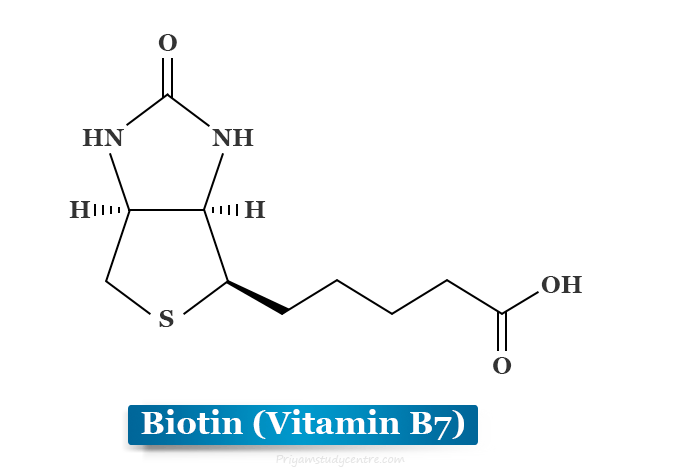
The deficiency of B7 or biotin is rare in the United States and other developed countries but a mild deficiency may be observed during pregnancy. It not only assists in various metabolic chemical processes but also helps with the transfer of carbon dioxide.
The name of the biotin derives from the Greek word “bios” which means live and the suffix “in” is used in chemistry to indicate forming”.
Vitamin B7 Sources
Vitamin B7 is found in various natural sources and supplements that uses for treating biotin deficiency.
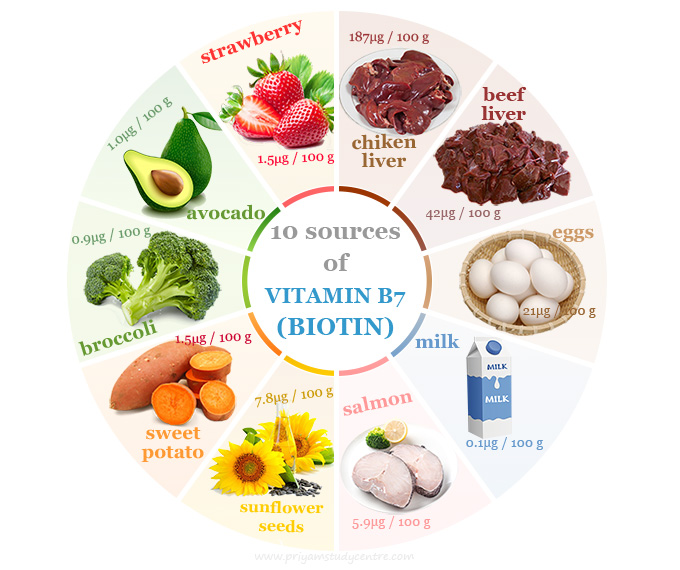
Water-soluble biotin is not stored in our body and is extracted through our urine. Therefore, we need to intake biotin in our daily diet. A healthy diet generally contains sufficient amounts of biotin for our health.
Foods Rich in Biotin
The most common foods that contain a high level of vitamin B7 or biotin include:
- Meat, fish, and eggs: chicken and beef liver, egg yolk, pork chop, turkey breast, and fish like tuna, sardines, and salmon.
- Dairy products: milk, cheese, yogurt, etc.
- Vegetables: sweet potato, broccoli, tomato, corn, mushroom, cauliflower, carrot, onion, cucumber, etc.
- Grains and nuts: sunflower seeds, walnuts, pecan, almonds, peanuts, whole grains, cereals, etc.
- Legumes: soybean and black-eyed peas, etc.
- Fruits: Avocados, bananas, strawberries, raspberries, etc.
Best Biotin Supplement
Most people get enough biotin from their daily food sources but deficiency also shows in people who have genetic disorders, medication, and alcohol dependence. A mild deficiency is observed during pregnancy and the breastfeeding period.
The supplementation is always safe for most cases but always ask a doctor or healthcare professional before taking vitamin B7 supplements. You purchase biotin supplements mostly in the forms of capsules, chewable gummies, and liquid. Thus, the supplementation of B7 chose according to your needs.
Vitamin B7 is found along with many multivitamins and multimineral supplements or vitamin B-complex supplements. Some best biotin supplements and their comparison and cost are listed below in the table,
| Brand | Item | Form | Biotin dosage | Cost per bottle |
| Sugarbear | Sugarbear Hair Vitamin Gummies (1 Month) | Gummy | 5,100 mcg | around $30 |
| Nature’s Bounty | Nature’s Bounty Extra Strength Hair, Skin & Nails Softgels | Softgel | 3,000 mcg | around $15 |
| Nature Made | Nature Made Hair, Skin & Nails Adult Gummies | Gummy | 2,500 mcg | around $10 |
| Unilever | OLLY Heavenly Hair Gummy Supplement | Gummy | 3,000 mcg | around $13 |
Daily Recommended Biotin
The Recommended Dietary Allowance (RDA) does not exist for vitamin B7 because a rare deficiency has been found in the people of the United States and other developed countries.
The daily intake level of biotin per day depends on your age. The average daily recommended intake level in micrograms (mcg) for various life stages is given below in the table,
| Life Stage | Age | Recommended Amount |
| Infants | 7–12 months | 6 mcg |
| Children | 1–3 years | 8 mcg |
| Children | 4–8 years | 12 mcg |
| Children | 9–13 years | 20 mcg |
| Teens | 14–18 years | 25 mcg |
| Adults | above 19 years | 30 mcg |
| Pregnant teens and women | 30 mcg | |
| Breastfeeding teens and women | 35 mcg | |
Vitamin B7 Benefits
The water soluble vitamin B7 basically helps to convert the food you eat into energy. It is a coenzyme that is beneficial for cell growth, the production of fatty acids, and the metabolism of fats and amino acids.
Biotin mostly recommended for hair growth, skin, and nail improvement. Biotin also keeps your liver and nervous system healthy and regulates your blood sugar levels.
The supplements are also found in many cosmetic and health products for hair growth and skin development. But no good scientific evidence to support the use of biotin in hair growth, brittle nails, and skin development.
Biotin in Metabolism
Biotin is a cofactor for enzymes propionyl-CoA carboxylase, methylcrotonyl-CoA carboxylase, pyruvate carboxylase, and two forms of acetyl-CoA carboxylase. These enzymes generally participate in the metabolism of the human body and also catalyze key reactions in gluconeogenesis, fatty acid metabolism, and amino acid catabolism.
Biotin plays an important role in maintaining metabolic homeostasis. Vitamin B7 helps to break down food, including carbohydrates, fats, and proteins. Therefore, it converts food into usable energy for biological processes.
Biotin for Skin
Biotin is often recommended for strengthening skin and nails. Therefore, it uses in many cosmetic and health products for the improvement of our skin and nails. It is good for glowing skin to maintain a youthful appearance. Biotin is likely safe for most people when it is applied at low levels in cosmetic products.
Taking collagen in conjunction with a biotin supplement helps to produce keratin in our bodies. This protein is vital to the skin and nail structure. Collagen protein forms a layer of the skin that gives fullness and plumpness to our skin.
Biotin for Nails
Biotin is also beneficial for nail strength and health. It helps in the production of keratin in our body. Keratin is a protein that forms the cells that make up the tissue in our nails.
Some studies show that taking a 2.5-milligram supplement daily for 6 months generally improves nail thickness by about 25%. Thus, a daily dose of biotin mostly helps to reduce the splitting and breaking of fingernails in people.
Biotin Supplements for Hair Growth
Many research studies have also shown that biotin supplementation is beneficial for hair regrowth in people who have suffered from alopecia (hair loss). The supplements significantly improve hair growth for people with temporary hair loss.
Vitamin B7 supplements are promoted by many companies for treating hair health and hair growth because it is an important ingredient in hair products like oils and shampoos.
In some people, the effects of B7 on hair can be seen in the very early stage while in a few others it may take up to six months. But there is no strong clinical evidence supporting for use of biotin supplements or hair products to promote hair growth in non-deficient people.
Most hair growth supplements contain multiple vitamins and minerals including zinc and iron which are also necessary for hair growth. Therefore, it is not possible to study the beneficial result of biotin alone in hair loss and hair growth.
Controlling Type-2 Diabetes
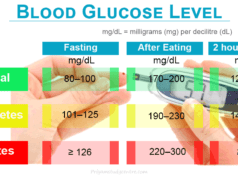
Vitamin B7 or biotin is quite effective in controlling type-2 diabetes. It mostly helps to reduce sugar levels in your blood by stimulating liver glucokinase activity, increasing insulin production, and enhancing glucose uptake in muscle cells.
Other Benefits of Vitamin B7
Vitamin B7 is essential for improving the cognitive function of our brain. It helps in repairing the brain cells and also treating symptoms associated with psychotic conditions like brain fog, depression, schizophrenia, hallucinations, etc.
Vitamin B7 helps people who suffer from kidney problems. It effectively reduces muscle cramps and pain during your dialysis.
The B complex vitamins, which include thiamine, riboflavin, vitamin B3, vitamin B5, vitamin B6, vitamin B7, folic acid, and vitamin B12 significantly lower chronic inflammation in the blood and then preserve optimal concentrations of homocysteine.
Uses of Biotin (Vitamin B7) in Pregnancy
Biotin takes care of the growth and development of your fetus. A mild deficiency may be observed during pregnancy because the body breaks down biotin faster during pregnancy.
This protein is never stored in the bodies of pregnant women. Therefore, it is important to intake biotin-reached foods or supplements during your pregnancy periods. Vitamin B7 is also essential during breastfeeding.
The 25 mcg to 30 mcg supplementation is safe during pregnancy but always consult your doctor before taking a biotin supplement. The supplements of B7 are basically taken orally or in the form of pills.
In some cases, pregnant women include biotin-rich food in their diet. Generally, it does not cause any side effects but in some cases, it causes irritation or an allergic reaction.
Deficiency of Vitamin B7
Vitamin B7 or H deficiency is a rare nutritional disorder in the United States and other developed countries. Most United States people eat enough biotin reached foods in their daily diet.
Vitamin B7 deficiency generally causes thinning of the hair and a rash on the face. A lack of biotin in infants will lead to a medical condition called seborrheic dermatitis or cradle cap.
The risk of a B7 deficiency increases due to alcoholism. The absorption of vitamin B7 and many other micronutrients can be blocked by alcohol. Many pregnant women suffer from a mild vitamin B7 deficiency while eating adequate intakes.
There is no good test for detecting low levels of biotin in our bodies. Therefore, deficiency can be identified by its signs and symptoms. The main signs and symptoms of a vitamin B7 deficiency may include:
- Dry skin
- Seborrheic dermatitis
- Fungal infections
- Scaly skin rashes around eyes, nose, mouth
- Fine and brittle hair
- Hair loss or total alopecia
- Anemia
- Loss of appetite
- High blood sugar levels
- Nausea
- Muscle pain
- Inflamed mucous membranes
If left untreated, the deficiency causes various neurological disorders such as mild mental depression, muscular pains (myalgias), hyperesthesias, and paresthesias. For the treatment of vitamin B7 deficiency, we basically start to take some biotin supplements.