
Copper
Copper Element
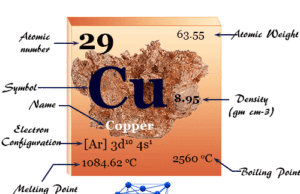
Copper is a chemical element or reddish-brown transition metal of Group 11 or IB of the periodic table with the symbol Cu and...
Silver
Silver Element (Ag)
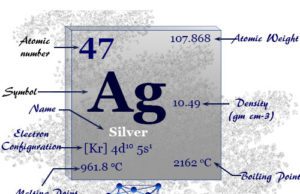
Silver is the shiny white chemical element or lustrous transition metal of Group 11 or IB in the periodic table with atomic...
Lithium
Lithium Metal
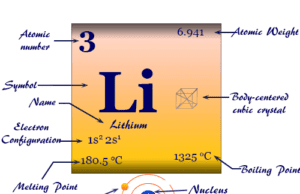
Lithium is the lightest solid chemical element or alkali metal of Group 1 or IA in the periodic table with the symbol Li and atomic...

Renewable Energy
What is Renewable Energy?
Renewable energy sources such as hydroelectric, wind, solar, biomass, and geothermal energy are the main examples of naturally replenished energy resources...
Boron
What is Boron?
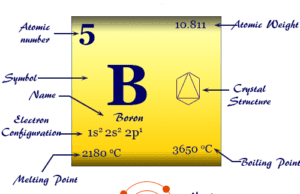
Boron (symbol B), atomic number 5, is the first chemical element of Group 13 or Group IIIA in the periodic table. The...
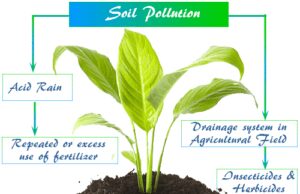
Soil Pollution
Soil Contamination Pollution
Soil pollution or soil contamination is a part of land degradation causes by acid rain, excess and wrong use of agricultural fertilizer,...
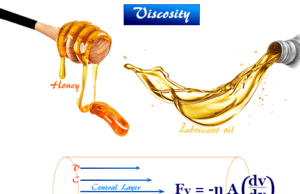
Viscosity of liquids
Measuring Viscosity of Liquids
Viscosity of liquids in chemistry is measuring the resistance to flow exhibited by fluids (liquids or gases) like glycerol, ester, oils,...
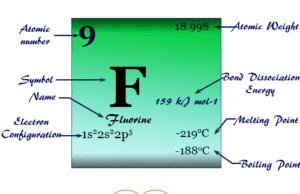
Fluorine
Fluorine Element
Fluorine (chemical symbol F), chemical formula F2, atomic number 9 is the most electronegative and most chemically reactive member of the halogen family...
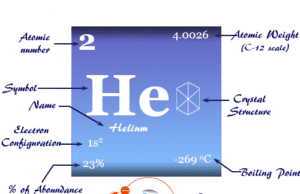
Helium
Helium Gas
Helium is a noble gas or group-18 element of the periodic table with the chemical symbol He and atomic number 2. It is the second most...
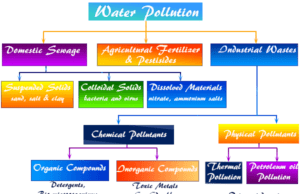
Water Pollution
Sources of Water Pollution
Water pollution sources such as insoluble solid particles, soluble salts, sewage, garbage, radioactive substances, industrial wastes, algae, and bacteria can causes...